

India has become a major force in international trade thanks to its expanding economy and wide range of products. Nevertheless, when entering the export market, Indian businesses frequently encounter a wide range of difficulties despite their enormous potential. To realize the full potential of Indian exports, it is imperative to comprehend these obstacles and investigate possible resolutions.
Let us look at some of the key challenges faced by Indian companies while exporting:
Logistic Challenges:
- Infrastructure Woes: India’s infrastructure, especially its ports and transportation systems, is frequently beset by inefficiencies and traffic jams. Delays, increased transportation expenses, and a decline in competitiveness result from this.
- Lack of Transparency: Real-time tracking and visibility of shipments are often limited, making it difficult for exporters to manage supply chains and anticipate delays.
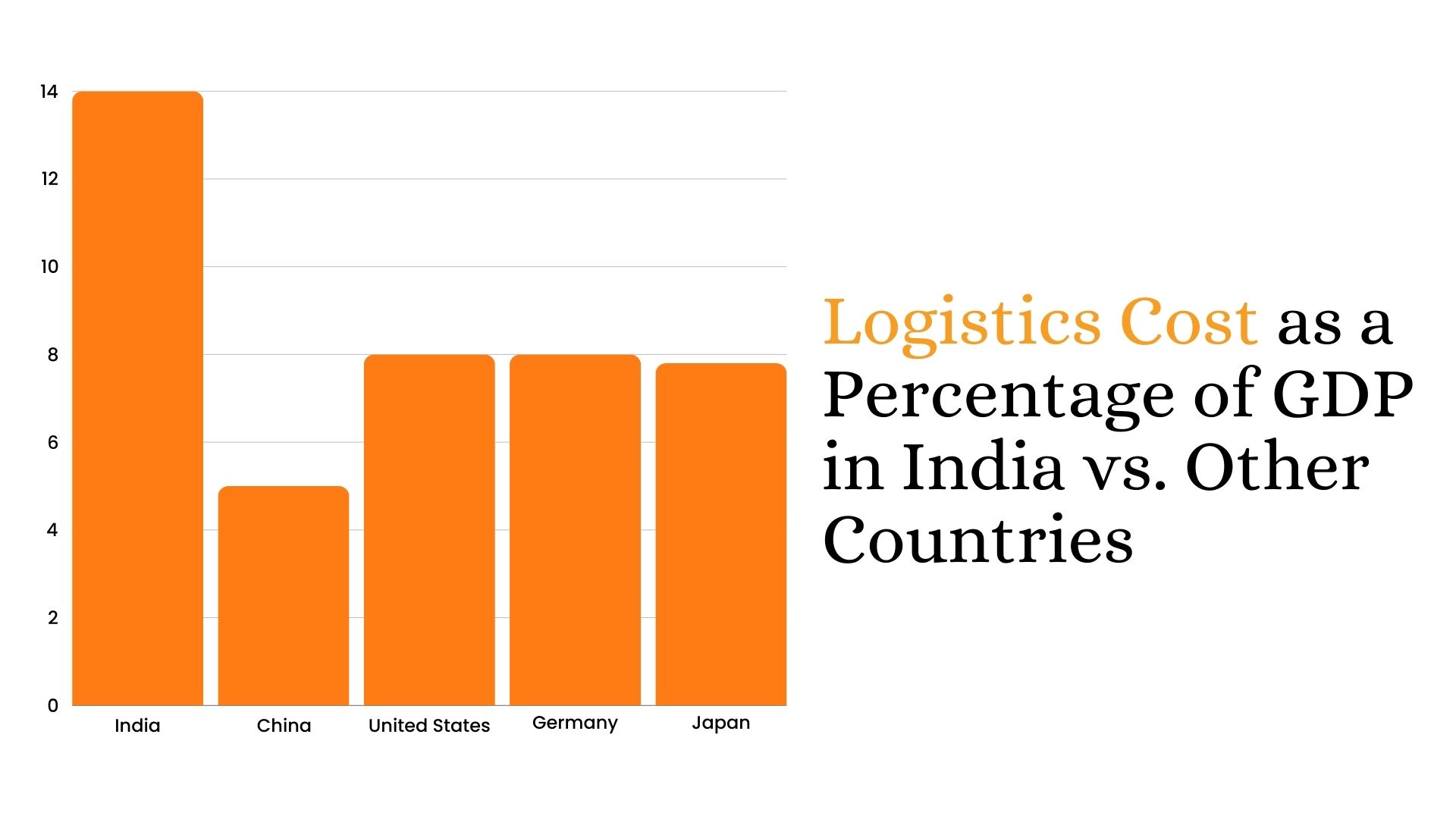
- High Transaction Costs: Compared to many other nations, India has much higher transaction costs when exporting goods. This covers the cost of port handling, customs clearance, and documentation.
The graph below depicts the “Logistics Cost as a Percentage of GDP in India vs. Other Countries”
Source: World Bank, Logistics Performance Index [https://data.worldbank.org/indicator/LP.LPI.OVRL.XQ]
Regulatory Hurdles:
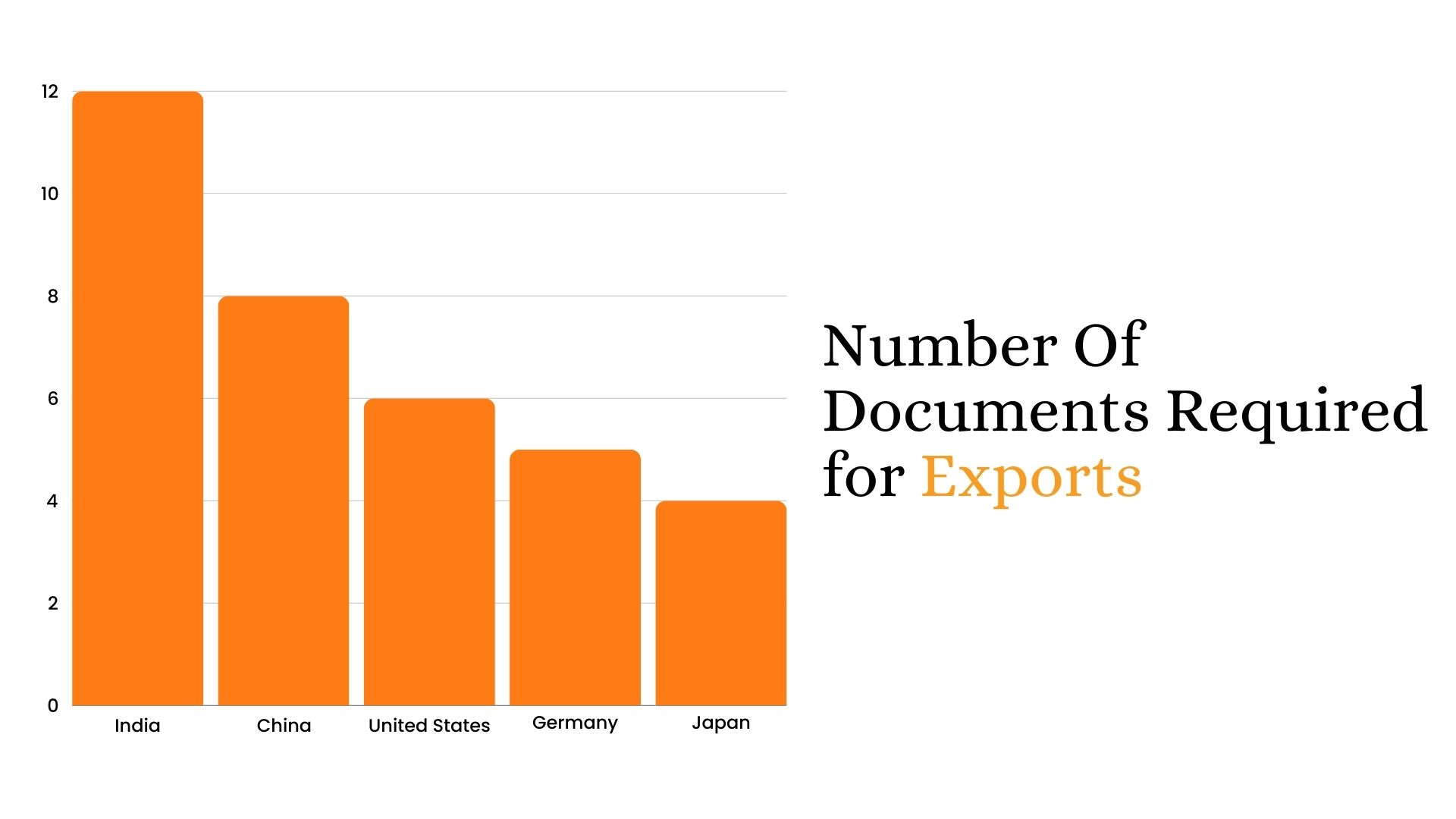
- Complex Documentation: The export process in India involves a plethora of complex documentation and procedures, often leading to delays and bureaucratic hassles.
- Frequent Policy Changes: Frequent changes in government policies and regulations create uncertainty and make it difficult for exporters to plan their long-term strategies.
- Non-Tariff Barriers: Numerous nations enforce non-tariff barriers, like technical regulations and quotas, which pose challenges for Indian enterprises seeking to penetrate their markets.
Source: World Trade Organization, Trade Facilitation Agreement Database [https://www.tfadatabase.org]
Competition and Market Access:
> Fierce Global Competition: India faces stiff competition in various industries across the global market. These include textiles and apparel where India faces challenges in higher labor costs, infrastructure bottlenecks, and quality control issues.
> Limited Market Access: Access to key markets is often restricted due to trade agreements and protectionist policies of other countries. Exploring alternative markets can help reduce dependence on countries with limited access.
> Lack of Branding and Marketing: Many Indian businesses find it difficult to effectively brand and market their products in foreign markets.
The graph below shows the “Market Share of India in Global Exports of Top 10 Products”

Source: International Trade Centre, TradeMap [https://www.trademap.org]
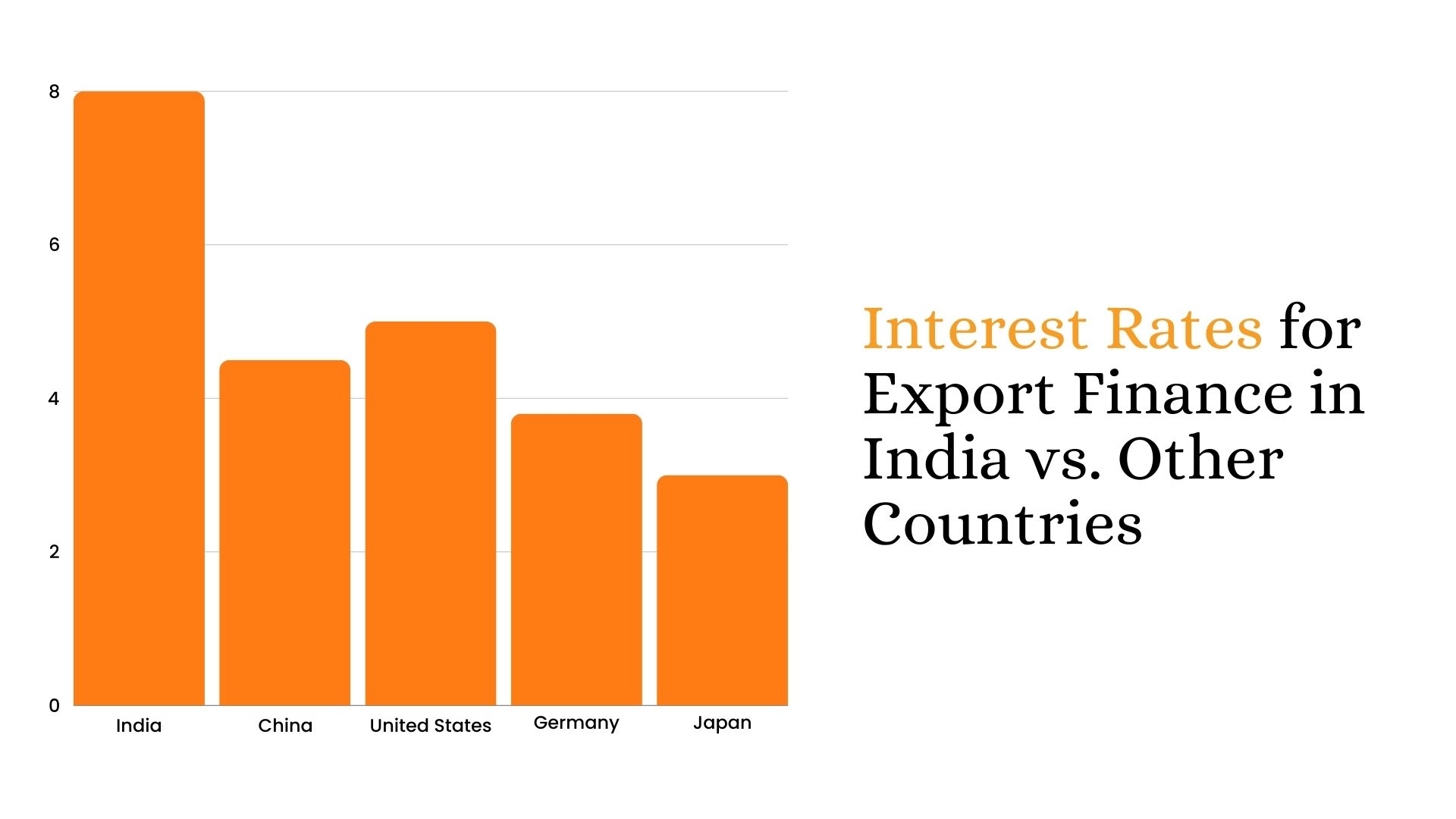
There are also several other relevant challenges faced by Indian Exporters, India’s small and medium-sized businesses (SMEs) have difficulty getting funding for their export projects, which prevents them from growing internationally. These businesses are further challenged by a notable shortage of skilled labor who is knowledgeable about international trade and legal matters. Moreover, there is a technological divide among Indian businesses, which makes it difficult for them to compete on a worldwide level because they lack sophisticated technology and resources. The growth and success of Indian businesses in the global marketplace are severely hampered by these collective barriers.
The graph below shows the “Interest Rates for Export Finance in India vs. Other Countries”
Source: Reserve Bank of India, Monetary Policy Report (October 2023) [https://rbi.org.in/Scripts/HalfYearlyPublications.aspx?head=Monetary%20Policy%20Report]
A Probable roadmap to enhance outbound trade in India
Taking a close look at the multiple challenges of Indian companies when it comes to exports, there are also diverse solutions that can be implemented by to tackle these specific challenges.
To boost India’s global trade standing, it’s crucial to invest in upgrading our infrastructure, specifically by modernizing ports and improving logistics networks. Embracing digital technologies for smoother documentation, tracking, and customs clearance processes will not only streamline operations but also increase transparency. Implementing policy reforms that simplify export procedures and offer incentives to exporters is essential to create a supportive business environment.
Actively pursuing free trade agreements with key partners can enhance market access and break down trade barriers. Investing in marketing and branding initiatives will also enable Indian businesses to leave a lasting impression on the global scene. Facilitating access to capital through export credit schemes can enable smaller enterprises to take part in international trade. Initiatives focused on skill development in international trade, logistics, and legal matters will enhance the expertise of Indian exporters. Encouraging technological upgrades and facilitating technology transfer will help bridge the technological gap with global counterparts, ensuring a competitive edge for Indian companies in international trade.
The way forward for the fastest-growing economy in the world
To summarize, some of the key points we have identified in this article include-
- Highlighting the interconnectedness of challenges and the need for holistic solutions.
- Emphasizing the role of government intervention and public-private partnerships.
- Identifying the importance of data, technology, and innovation.
- Underscoring the need for adaptability and a culture of continuous improvement.
- Framing the export journey as a national imperative for economic growth.
While challenges remain, the Indian government and industry stakeholders are taking proactive steps to address them. By focusing on infrastructure development, regulatory reforms, market access initiatives, and skill development, India has been trying to create a more proactive environment for its companies to thrive in the global marketplace. With continued efforts and a collective approach, Indian exports have the potential to reach new heights and contribute significantly to the nation’s economic prosperity.
By robustly incorporating these probable solutions, the article offers a more thorough and useful road map for overcoming the obstacles Indian businesses must overcome to succeed as exporters.
– To learn more about why you should import from India, check out our latest article: https://liteorg.com.br/unleash-the-power-of-indias-manufacturing-prowess-a-win-win-for-global-trade/
– Learn more about how India’s imports have surged in the last year: https://medium.com/@officialliteorg/can-indias-import-surge-spark-a-trade-bonfire-65d13b0c1722